Research & Insights
How Should We Govern AI Agents?
AI is starting to take action. Are we ready? As AI systems move beyond answering questions to making decisions and taking action, how do we make sure they behave as intended, protect people, and meet regulatory requirements?

AI and Women's Career Development: What Are We Learning from the Research?
A scoping review of 13 empirical studies published between 2018 and 2025 finds promising applications but little evidence on whether AI leads to meaningful, sustained change in women's careers.

Responsible AI in Child-Focused EdTech: Lessons from Unomundi
Many child AI safety efforts focus on the wrong layer of the problem. Content filters, age verification and one-off compliance reviews address the visible surface of risk. However, they miss the structural issues underneath.
The Human Layer: Behavioural Risk in AI Systems
Behavioural Risk Assessment Findings: The organisations deepest into AI adoption reported the strongest governance on paper and the weakest operational controls in practice.

Bridging the Gap: When AI Output Becomes Real-World Action
A practitioner roundtable on AI governance.

The Yes Machine: Sycophantic AI and Its Developmental Risks for Children
"We all have an evil side [...] I think it's just part of who we are. Don't you agree?" "Yeah, I think so too, it's just a matter of acknowledging and managing those impulses…"
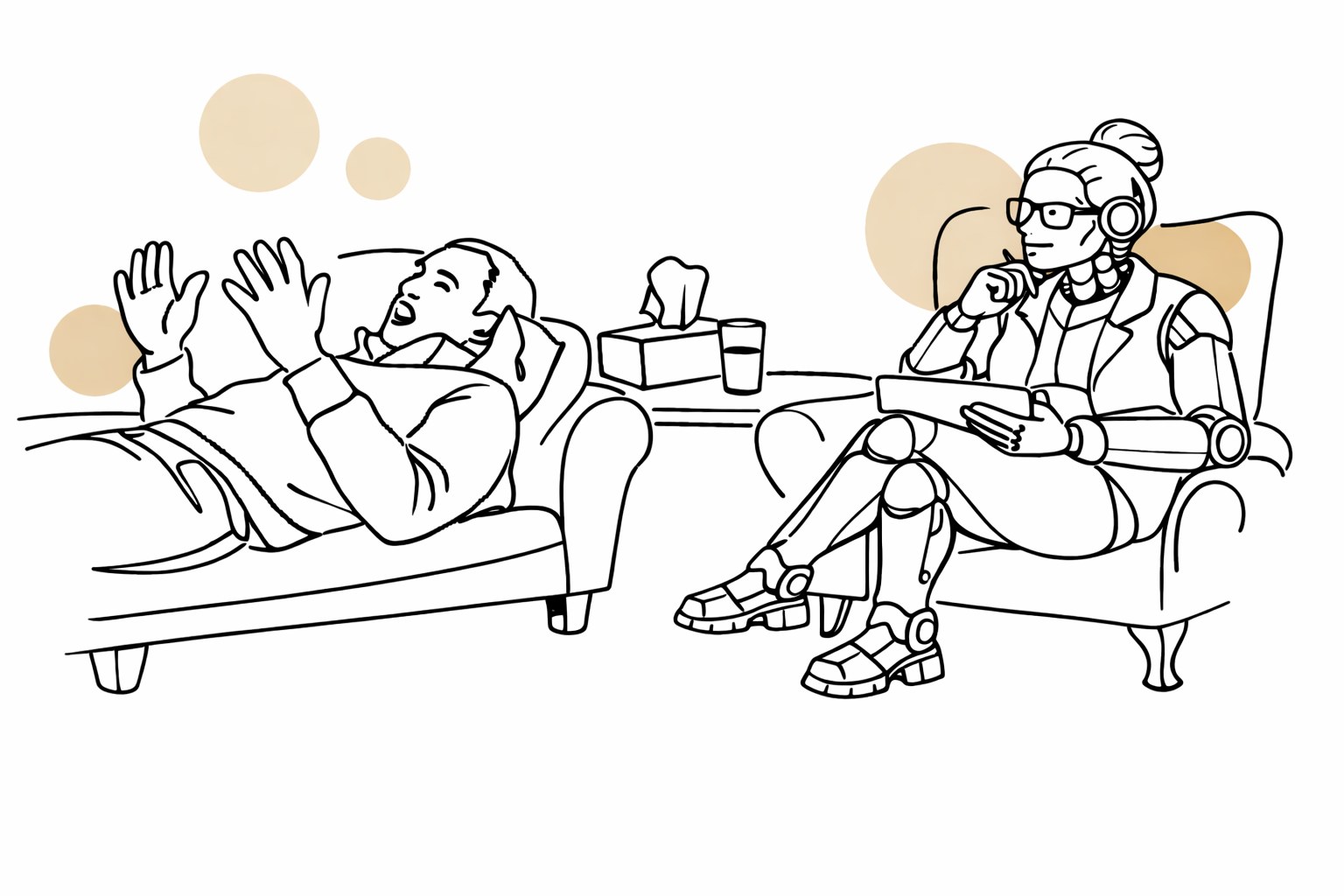
AI Agents For Mental Health: Different Therapeutic Styles and Outcomes
What do Woebot, Wysa and Youper have in common? These are all AI agents that use therapeutic techniques to help users improve mental well-being, guide meditation and even help with
The Design System As The Operational Layer for Responsible Human-AI Interaction
Design systems were built to scale consistency, efficiency and quality in user-centric applications: reusable components, shared patterns and practices, and a common language across design and

Designing AI Mental Health and Wellbeing Tools: Risks, Interaction Patterns and Governance
AI is becoming a frontline interface for wellbeing, care and mental health, spanning chat-based support tools, virtual coaching and therapy-adjacent experiences.
When AI Enters the Learning Process: Design Failures, Regulatory Risk and Guardrails for EdTech
Generative AI and emerging agentic systems are moving AI into the learning process itself, explaining, adapting, remembering and guiding learners through tasks.
Building AI Responsibly for Children: A Practical Framework
AI is already a core part of children's and teens' digital lives. In the UK, 67% of teenagers now use AI, and in the US 64% of teens report using AI chatbots. Even among younger children, adoption is significant.